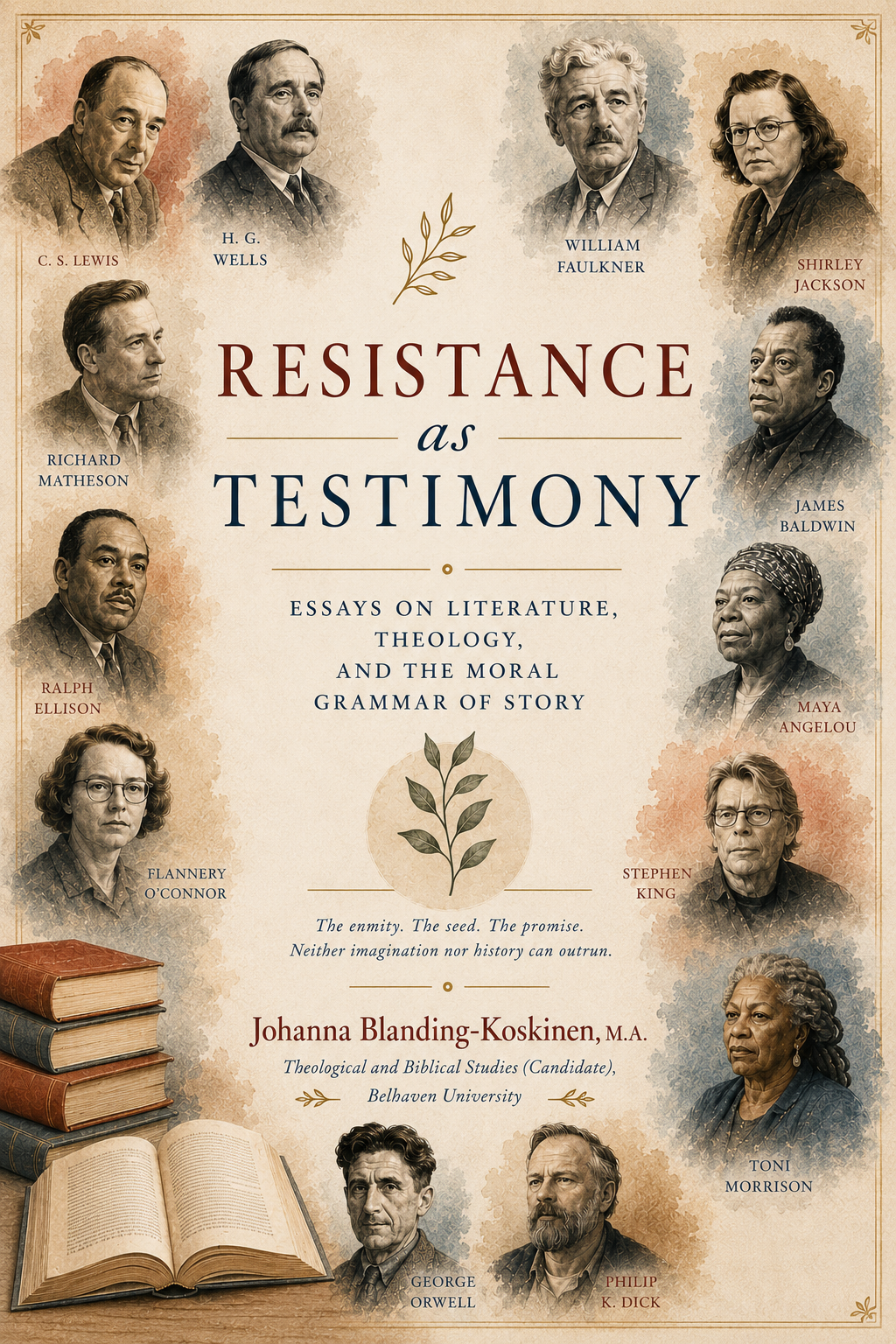
Welcome to my site of Literary Criticism— where I write essays and analyze the works of the “Author” standing at the intersection of literature, theology, and the moral imagination - written from the conviction that the deepest tensions in literature are not merely artistic or philosophical, but theological, arising from Chapter 3 in the book of Genesis, and more specific, Genesis 3:15, where the moment of loss, the recognition of consequence, and recovery is believed achievable in the bypassing of the redemption it offers.
These essays pursue that rupture through Wells, Chesterton, Lewis, Ellison, and the wider archive of the Western literary tradition.
The project is intentionally curated and exploratory in character: less a platform for discourse than an extended meditation carried out in public. Each essay includes a comment space where biographies, arguments, suggestions, and related ideas are welcome. Occasional invited contributions may also appear in conversation with the larger work.
From the Archive • Featured Reading
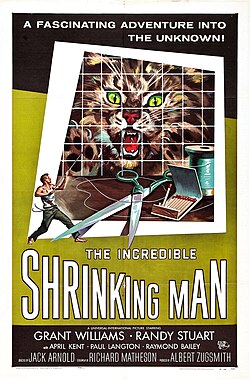
Richard Matheson • 1956
The Incredible Shrinking Man
Relinquishing to Moral Capital
Wells made a man invisible and watched him become a monster. Matheson shrank a man to the subatomic and found him still capable of wonder. Both used physical impossibility to ask what remains of a human being when everything external is stripped away — and arrived at incompatible answers.
Wells’s answer was appetite. Matheson’s answer was to God there is no zero — the vision Wells’s materialism made structurally impossible: a universe in which smallness cannot extinguish worth, in which the image of God persists below the threshold of measurement.
New essays and archive entries are added regularly. Enter your email to be notified when new work is published — nothing else.
You’re on the list. Thank you.

TLA Podcast • Episode 1
Introduction to the Literary Apologetic
Ep. 2: Genesis 3:15 and the Shape of Every Story — Coming soon
View all episodes →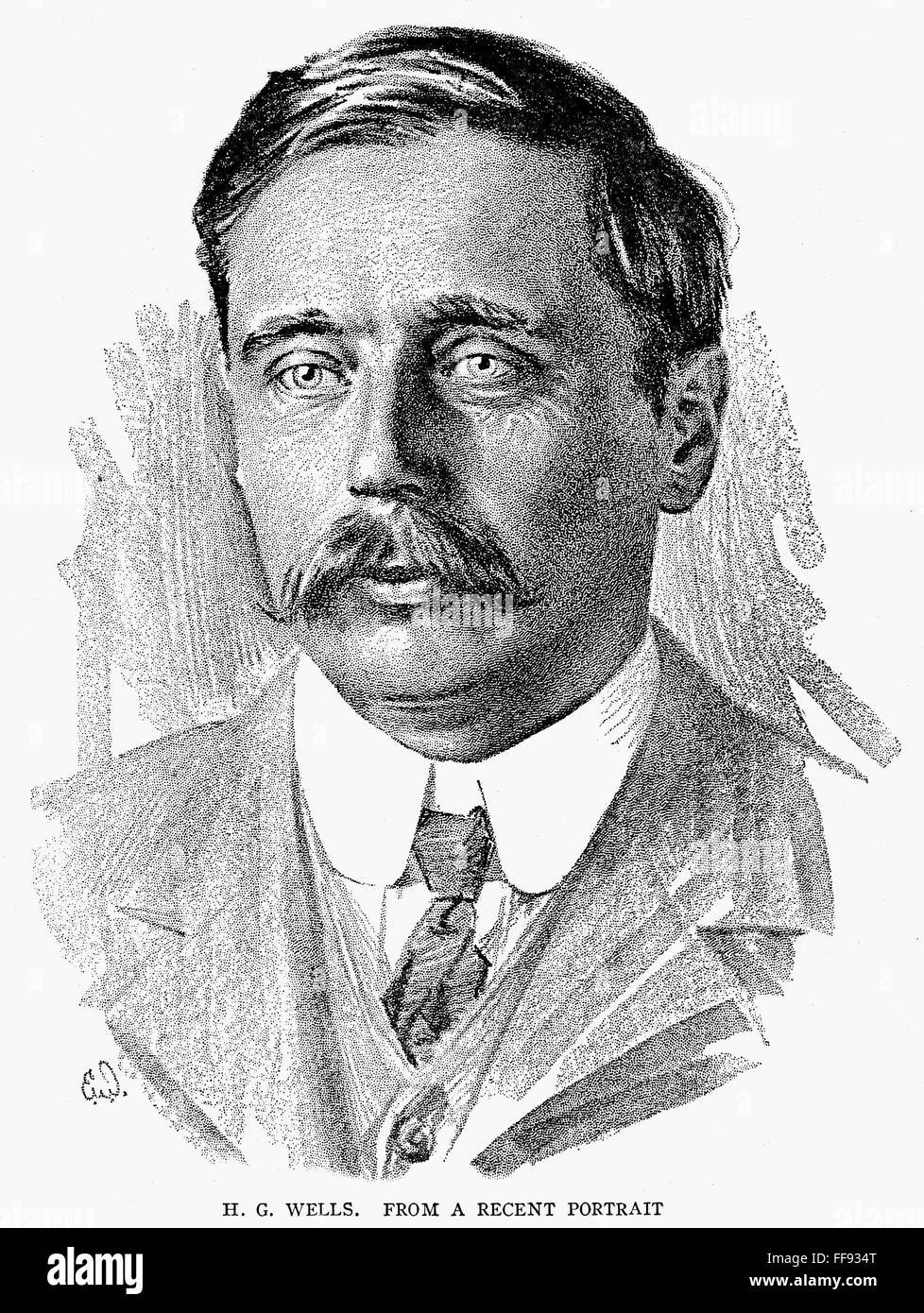
Outside the Bible, no single writer has covered a wider spectrum of human thought and left a deeper mark on the world that followed. The Wellsian Universe is this site’s dedicated space for everything pertaining to H.G. Wells — his theology, his influence, and the 130-year argument he started.
Enter the Universe → Literary Theology • Invisible Man
Ralph Ellison
Author of Invisible Man (1952), one of the most theologically saturated novels in the American tradition — a work whose moral architecture depends on a claim about human dignity it never argues for and cannot, on its own stated premises, sustain.
“Who knows but that, on the lower frequencies, I speak for you?”
 Literary Theology • Essay
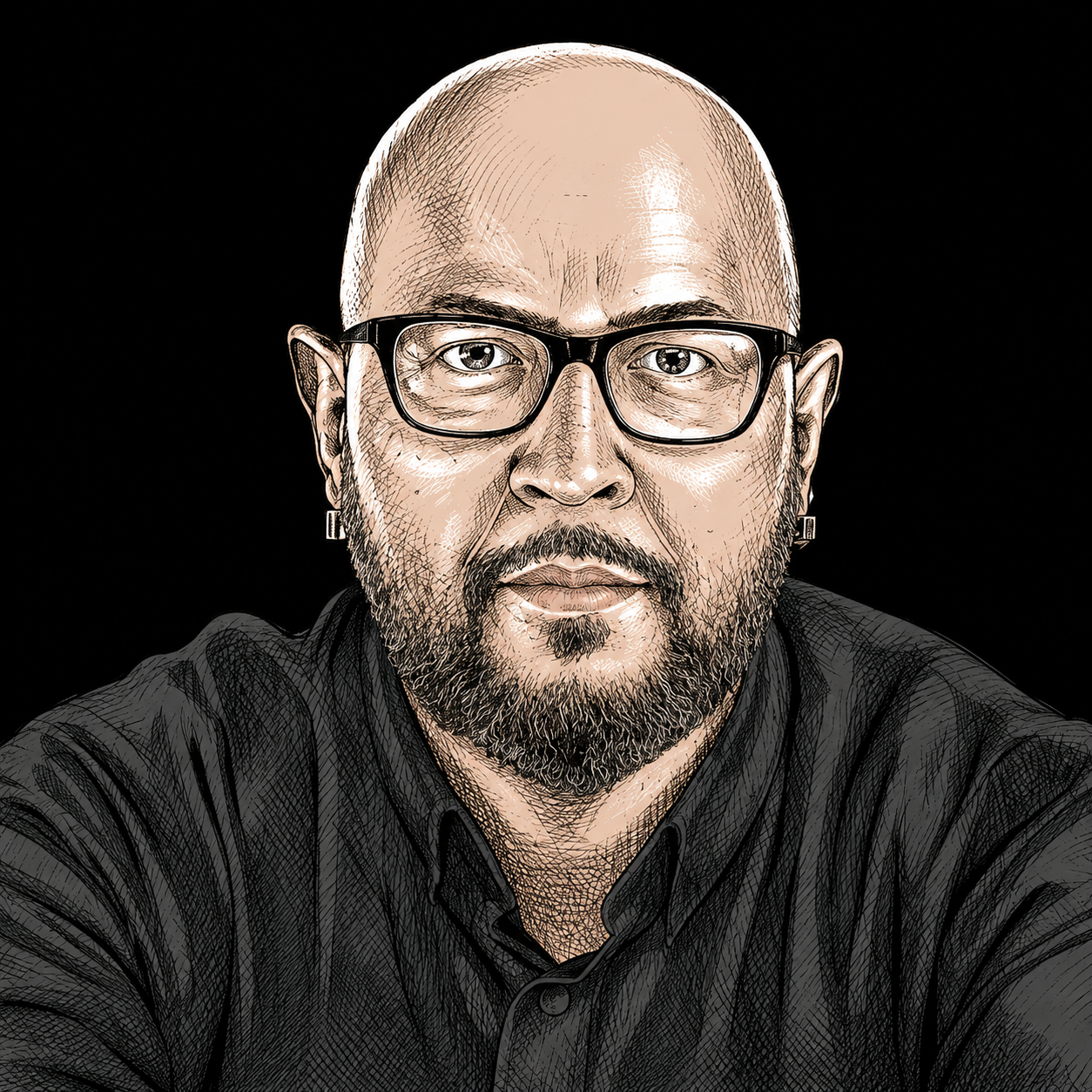
Alan Jacobs
Cultural critic, Baylor University. The most serious living heir to C.S. Lewis as a literary-theological essayist. His The Narnian and Breaking Bread with the Dead demonstrate what it looks like to read literature as a Christian without reducing it to a sermon.
“To read is to be changed, or it is nothing.”
 Fiction • Literary Theology
Marilynne Robinson
Pulitzer Prize-winning novelist. Her Gilead trilogy is the finest body of theologically serious literary fiction produced in English in the last fifty years — Calvinist in its theology, Midwestern in its texture, universal in its reach.
“This is an interesting planet. It deserves all the attention you can give it.”
 Fiction • Catholic Imagination
Ron Hansen
Novelist and Jesuit deacon. Mariette in Ecstasy and Atticus place him in the tradition of Flannery O’Connor and Graham Greene — writers for whom grace operates through the most ordinary and the most violent of human circumstances.
“Fiction at its best is an act of love toward the reader.”